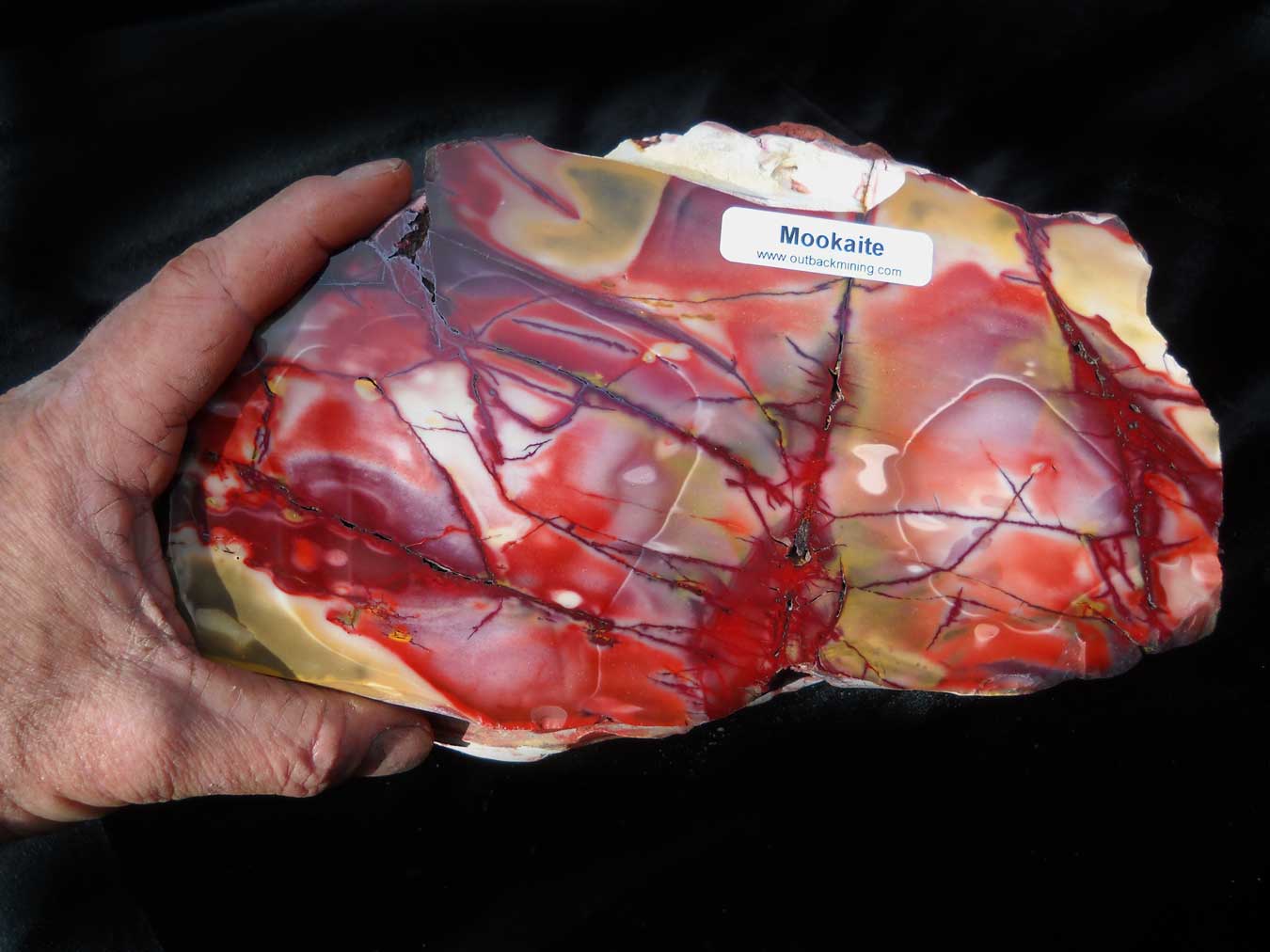
MOOKAITE.
Direct from the source. We are the miners.


Mookaite for sale..click here
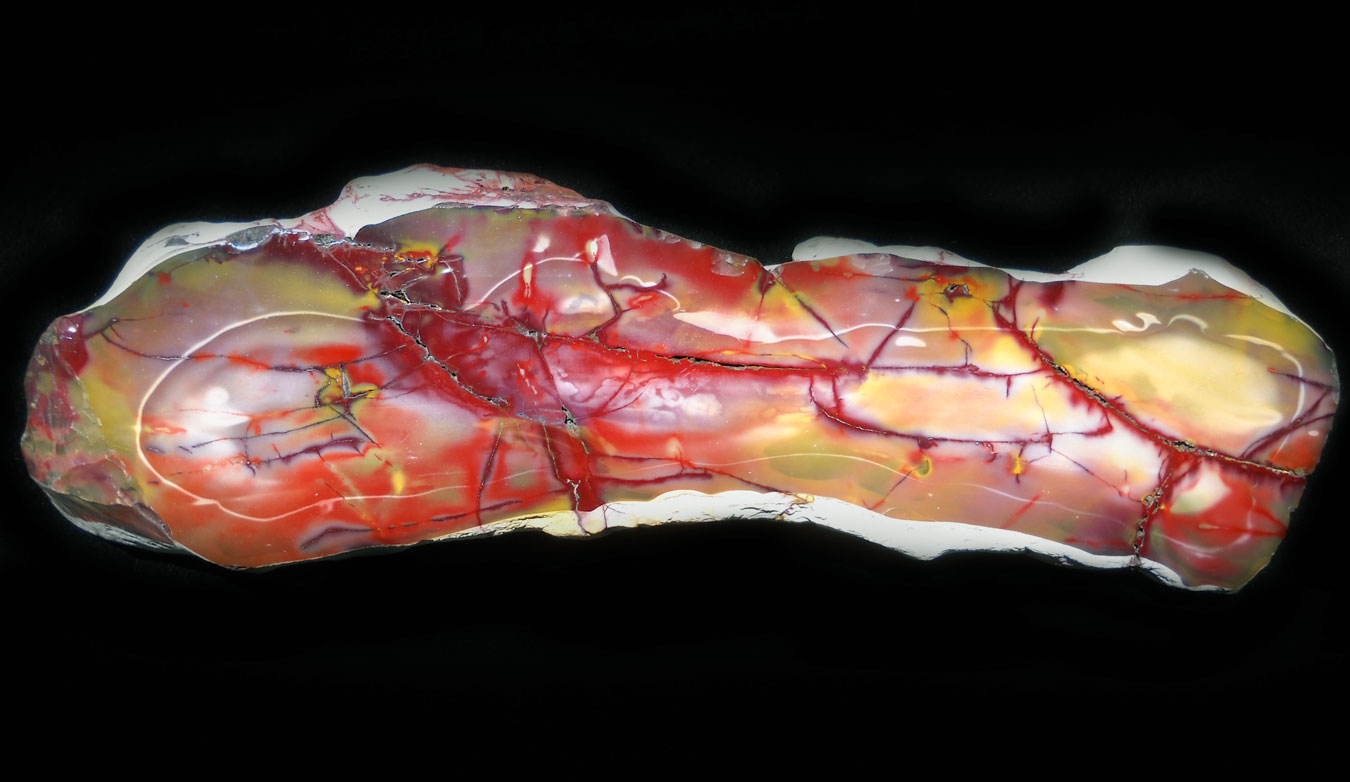
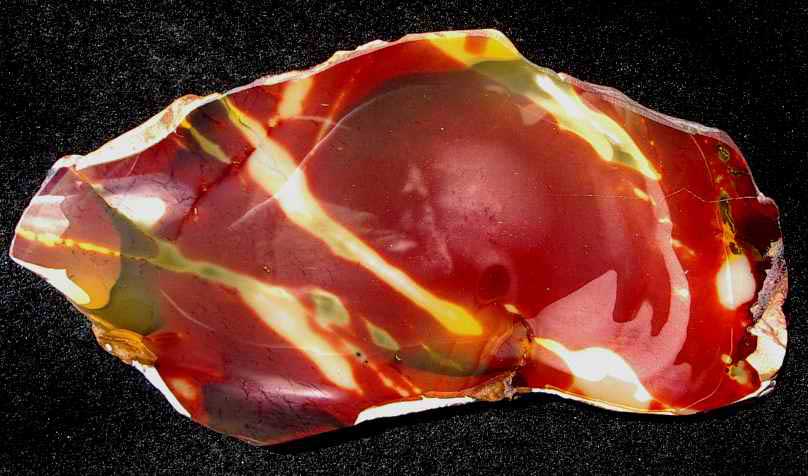
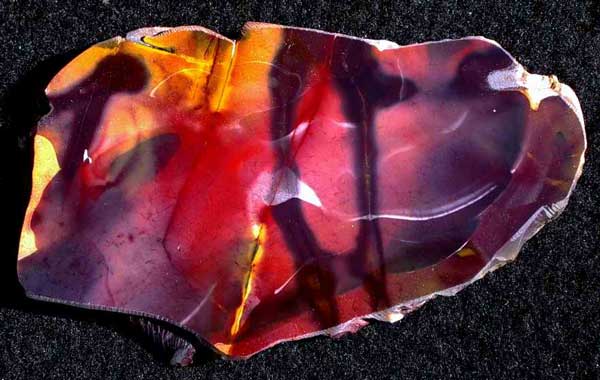
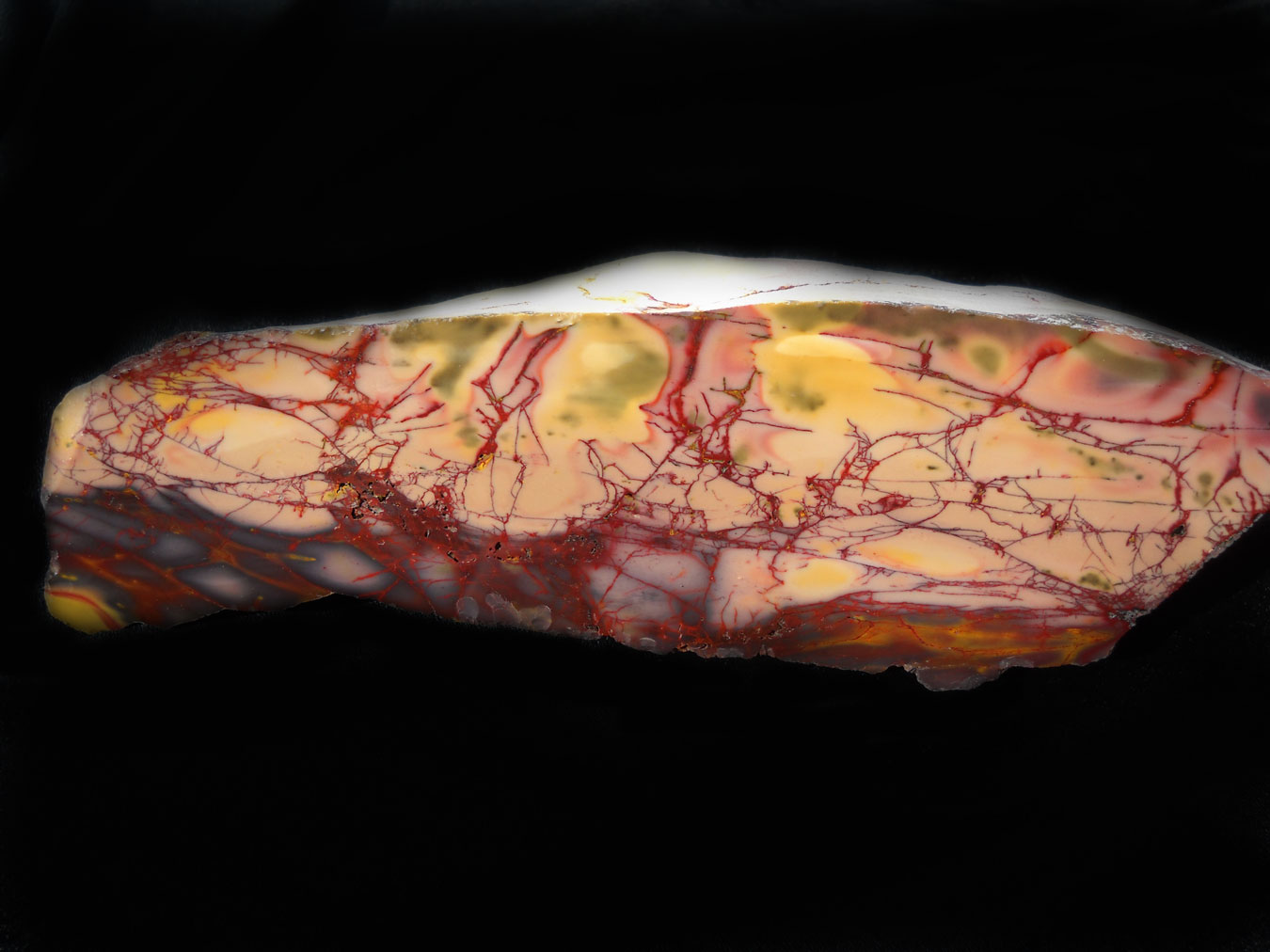
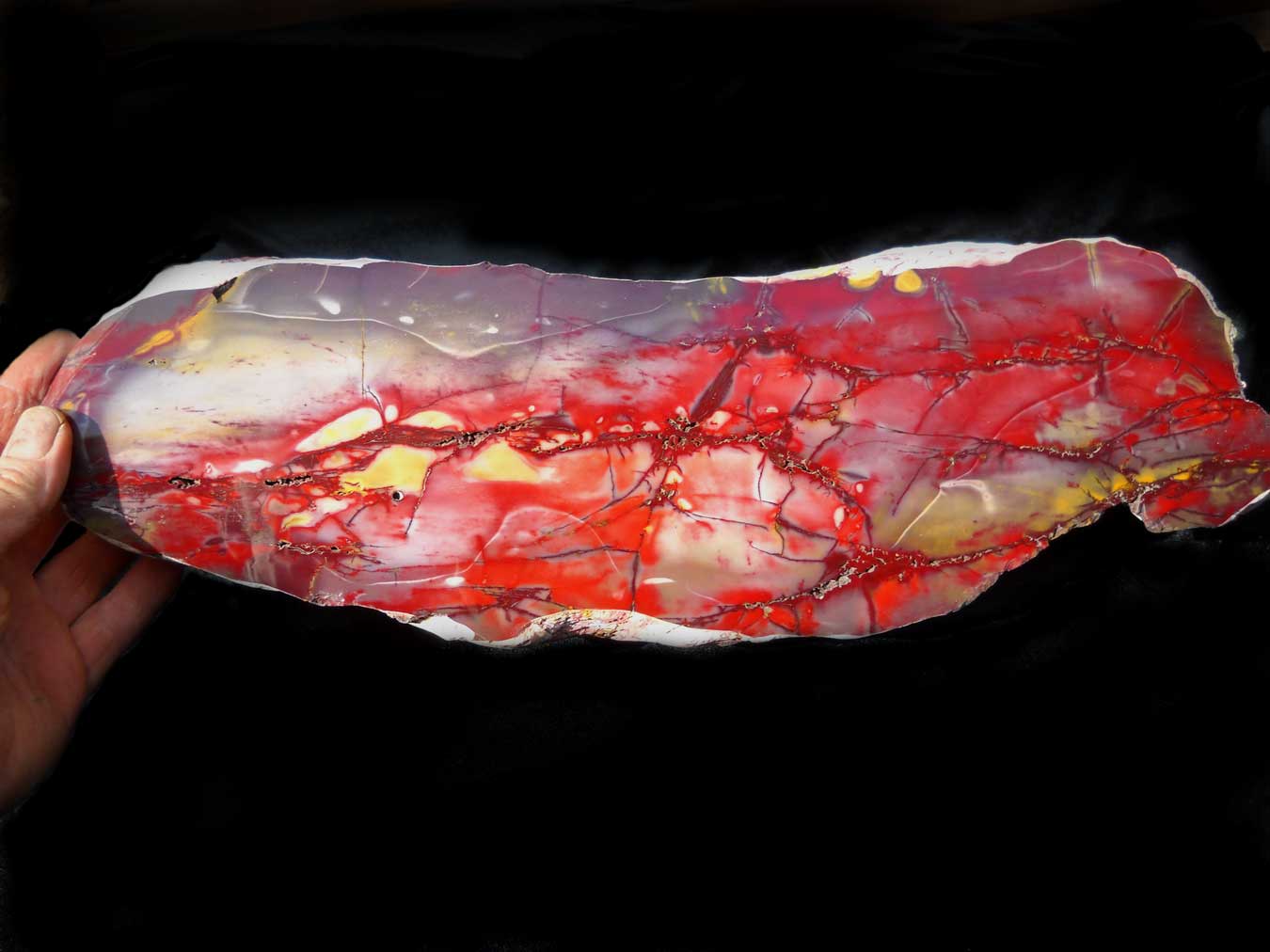
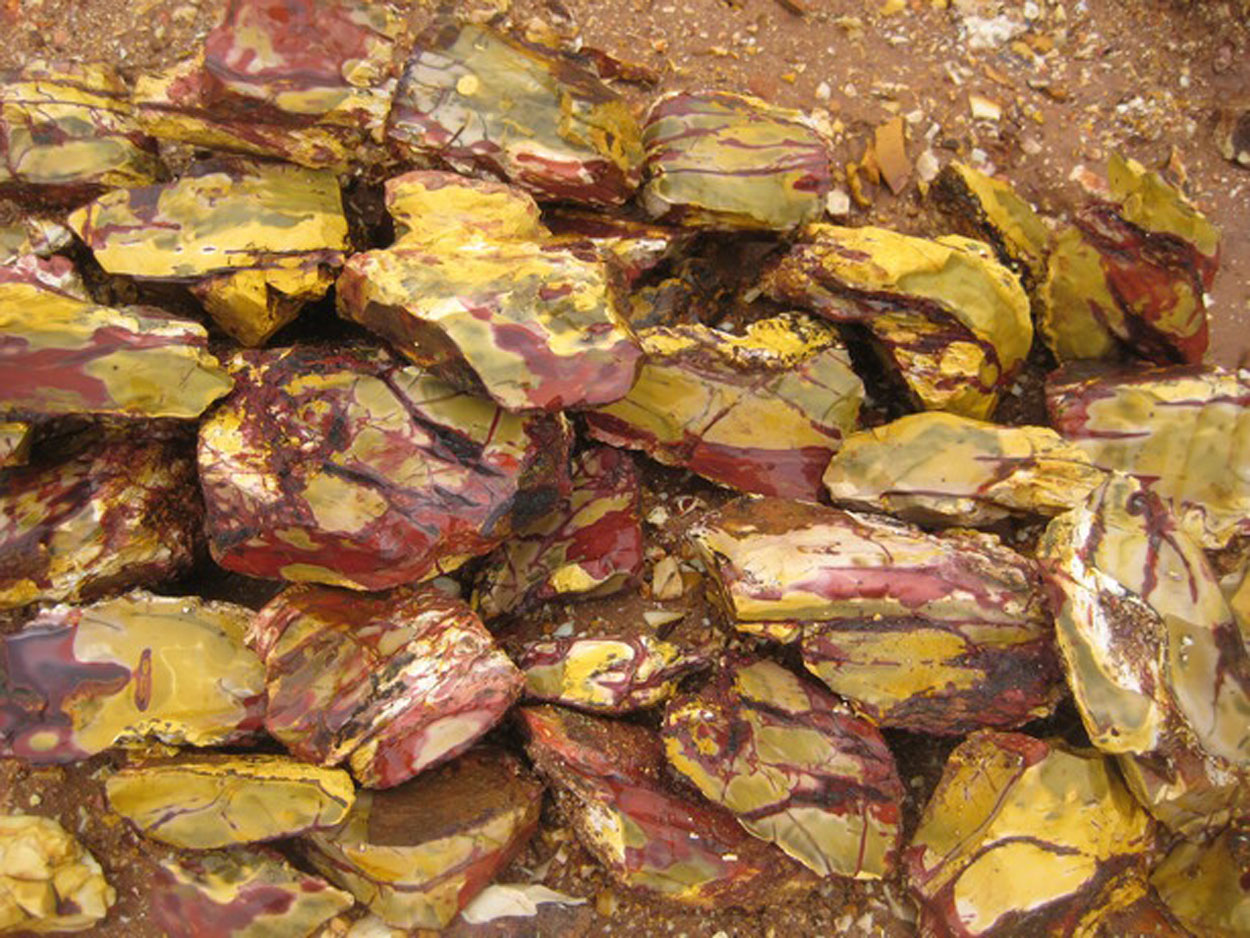
This stunning
multi coloured stone is found in the Kennedy Ranges near Gascoyne Junction which
is about 100 miles inland
from the coastal town of Carnarvon in Western
Australia, which in turn is about 600 miles north of the capital, Perth.
The name "mookaite"
is derived from the locality where the rock is dug, namely Mooka Creek.
According to locals, the Aboriginal word "mooka" means "running
waters", no doubt in reference to the many fresh water springs that feed
Mooka Creek.


Mookaite is sometimes incorrectly called mookite, mookalite, mookerite, mook, mook jasper, moukaite, moakite, moukalite & mouakite.
Mookaite can
be described as chert, opalite, chalcedony or combinations of the three.
The degree of silica in the material determines its description.
This
creates difficulties when mining the deposit as the more opaline material can be
extremely brittle. It is almost useless for cutting as the lightest tap will
cause it to fracture.
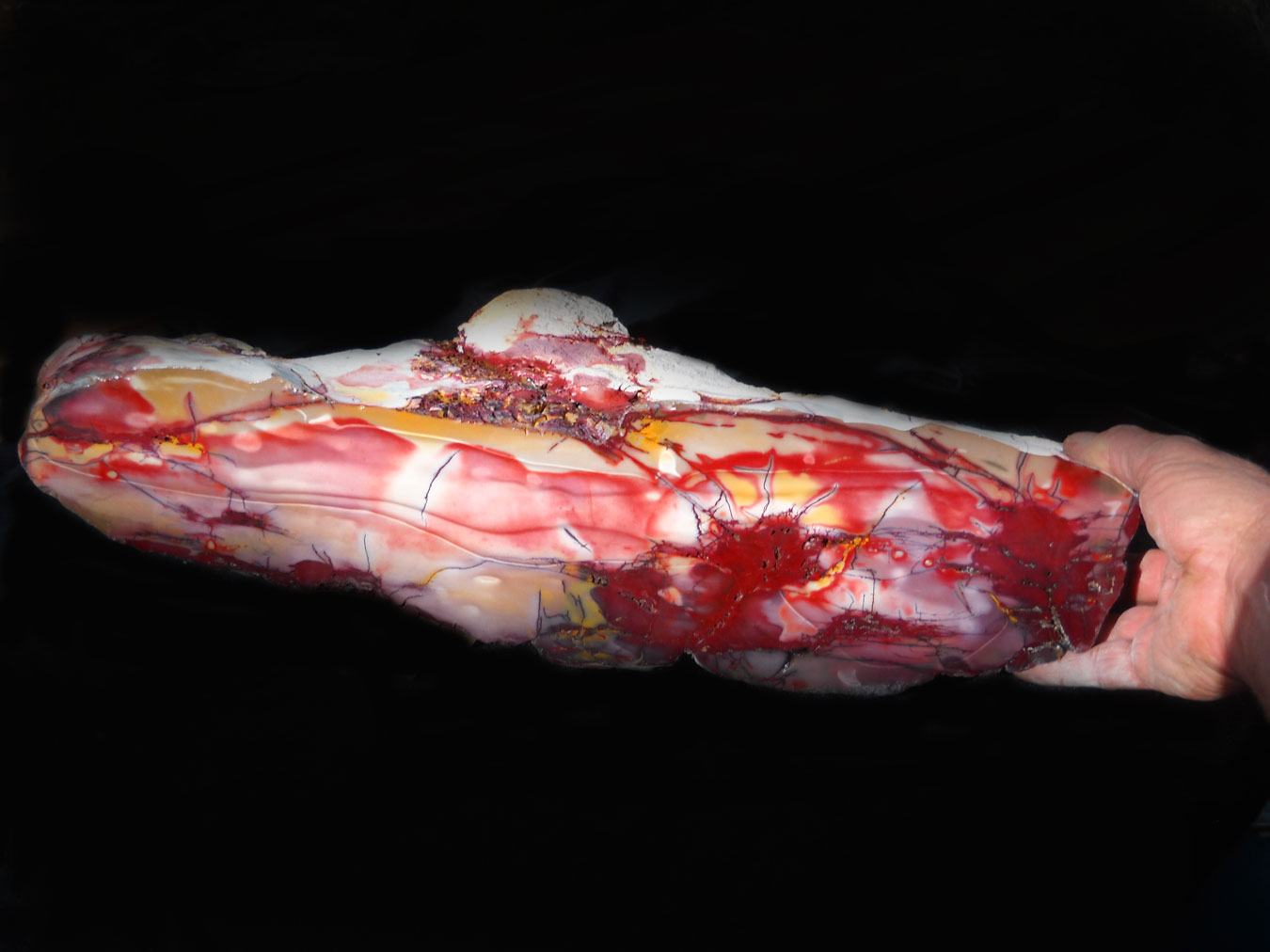
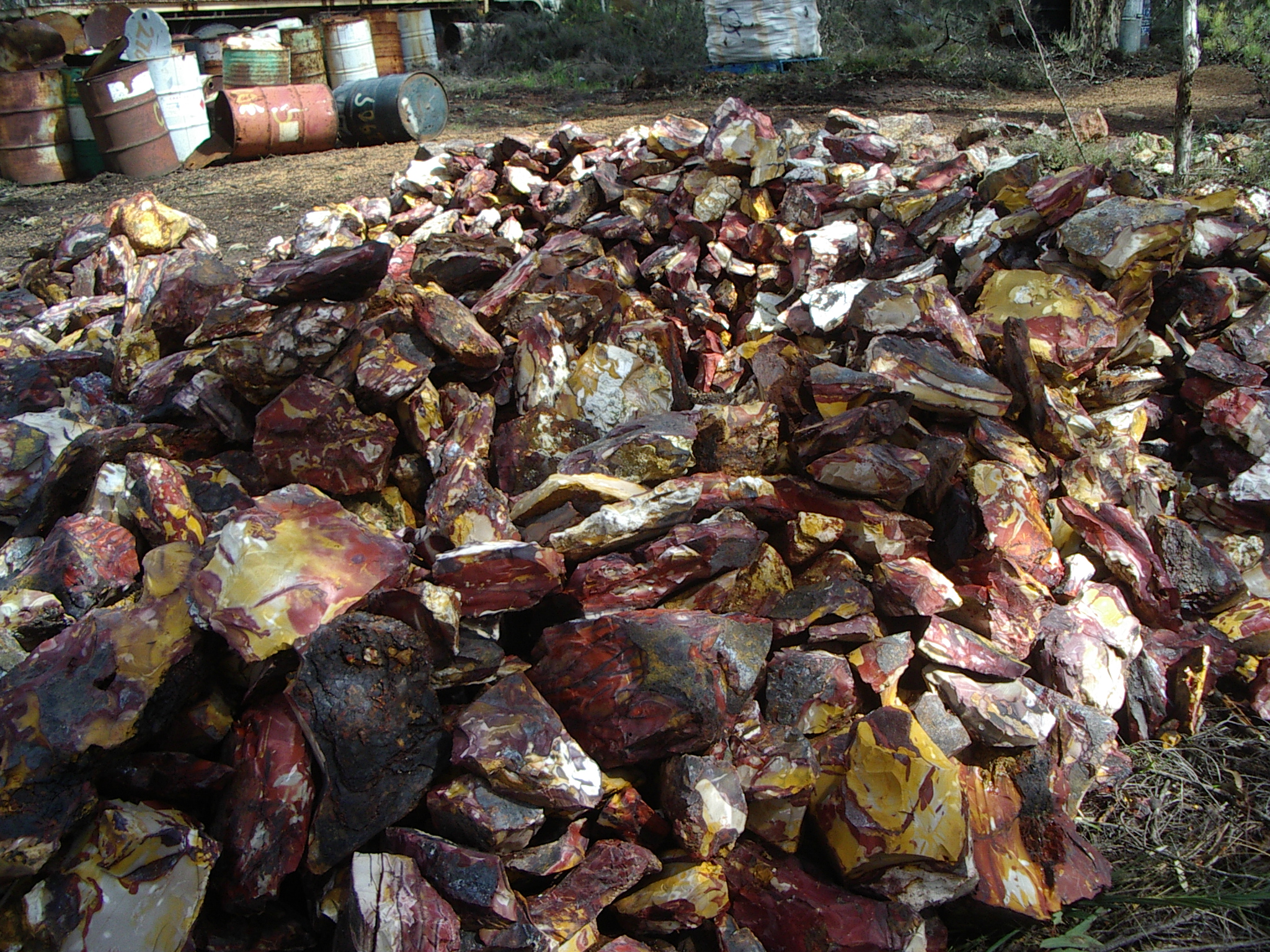
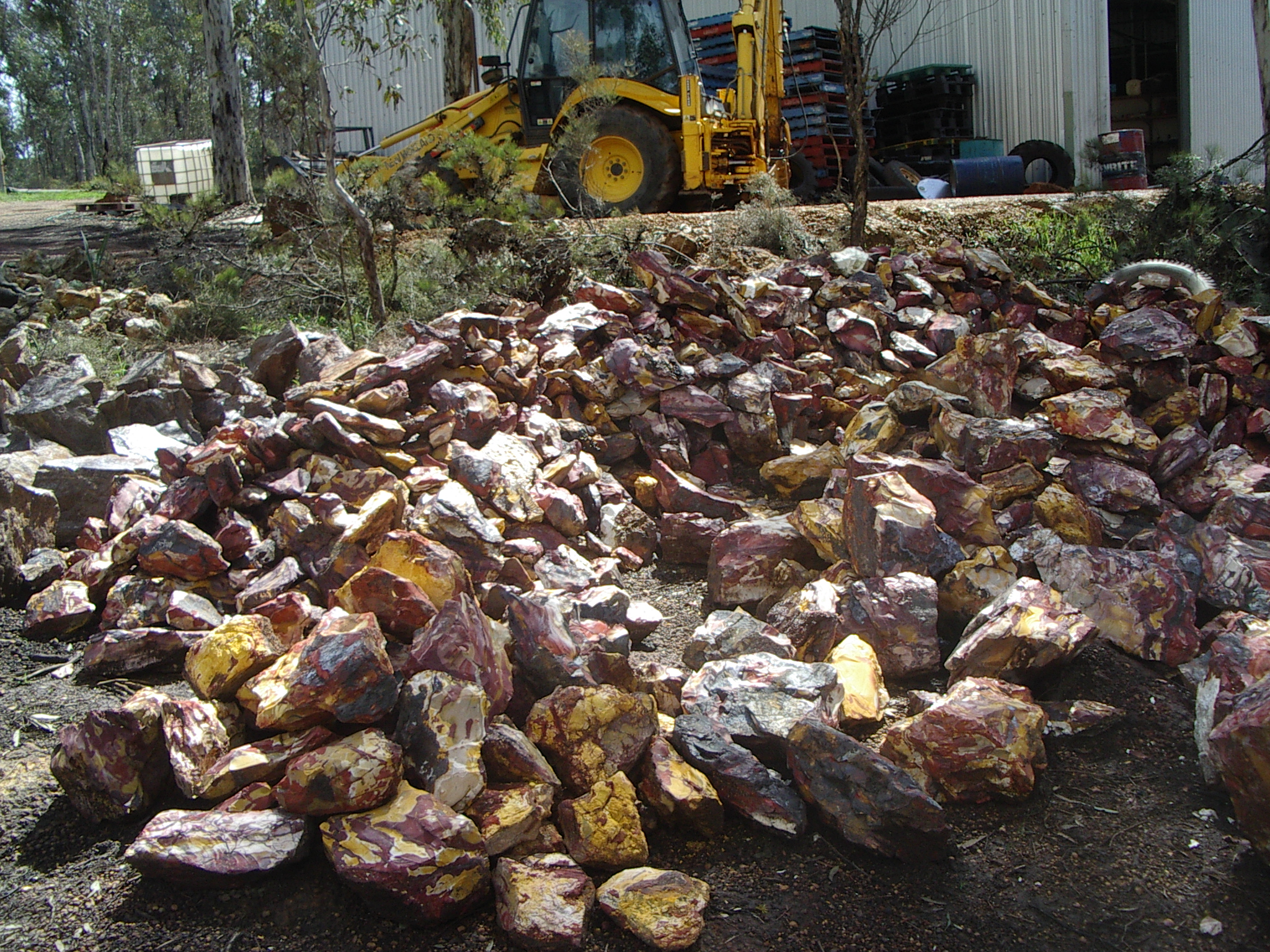
The best material is the chalcedonic variety. It generally occurs on our mining lease as nodules, large & small, lying in decomposed radiolarian clay beneath the floor of the creek.
After mining many hundreds of tons of mookaite, we have come to the conclusion that silica rich & mineralised solutions have seeped through the radiolarite pavement beneath the floor of the usually dry creek bed. These solutions have concentrated in various horizons and formed as nodules & sheets of multi coloured chalcedony.
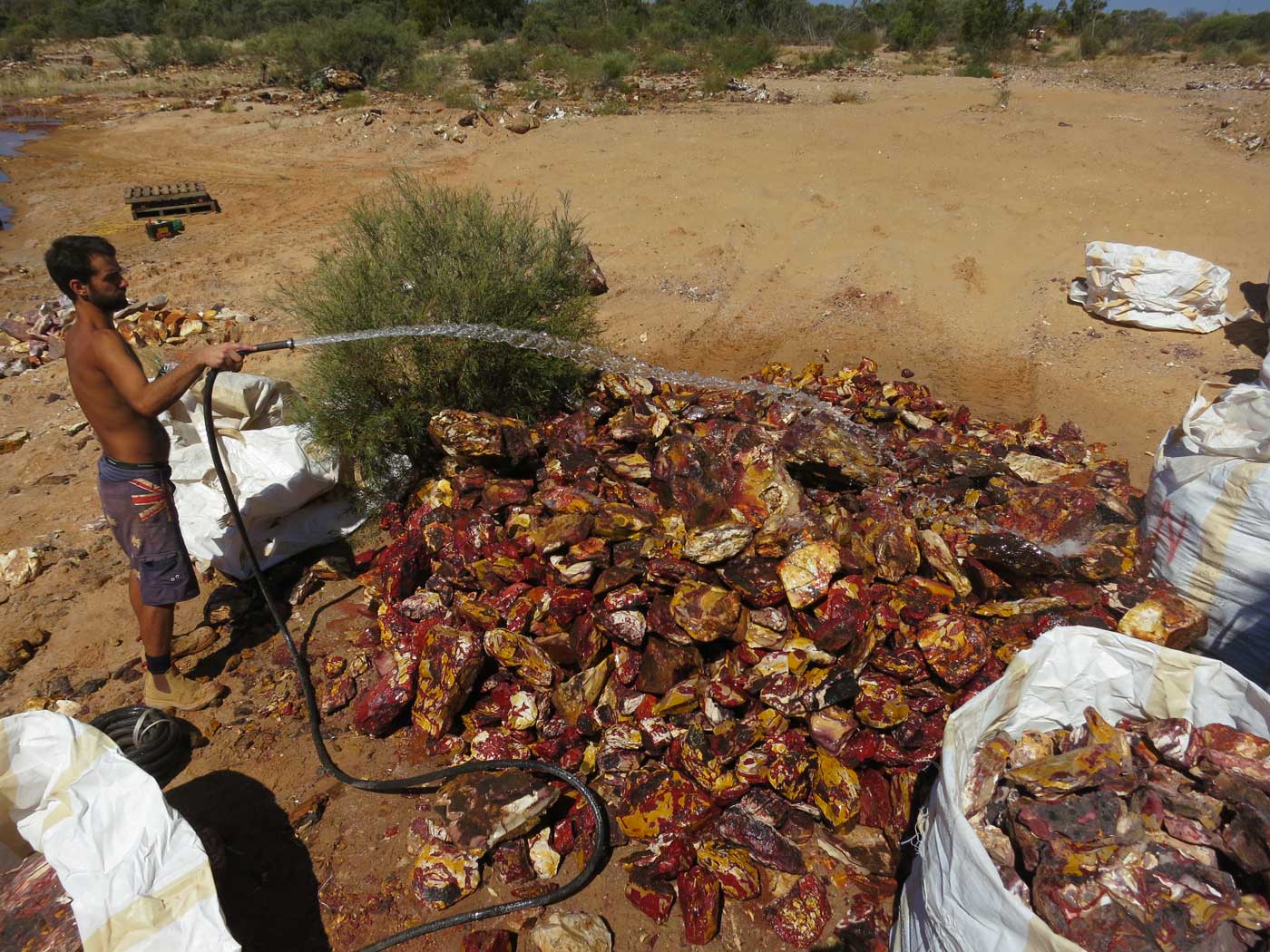
Subsequently, the radiolarite with less silica has decomposed into beds of soft white clay which now surround the stunning nodules. Unfortunately there is a fair degree of underground water lying & running through these clay beds which make it extremely messy & difficult to work


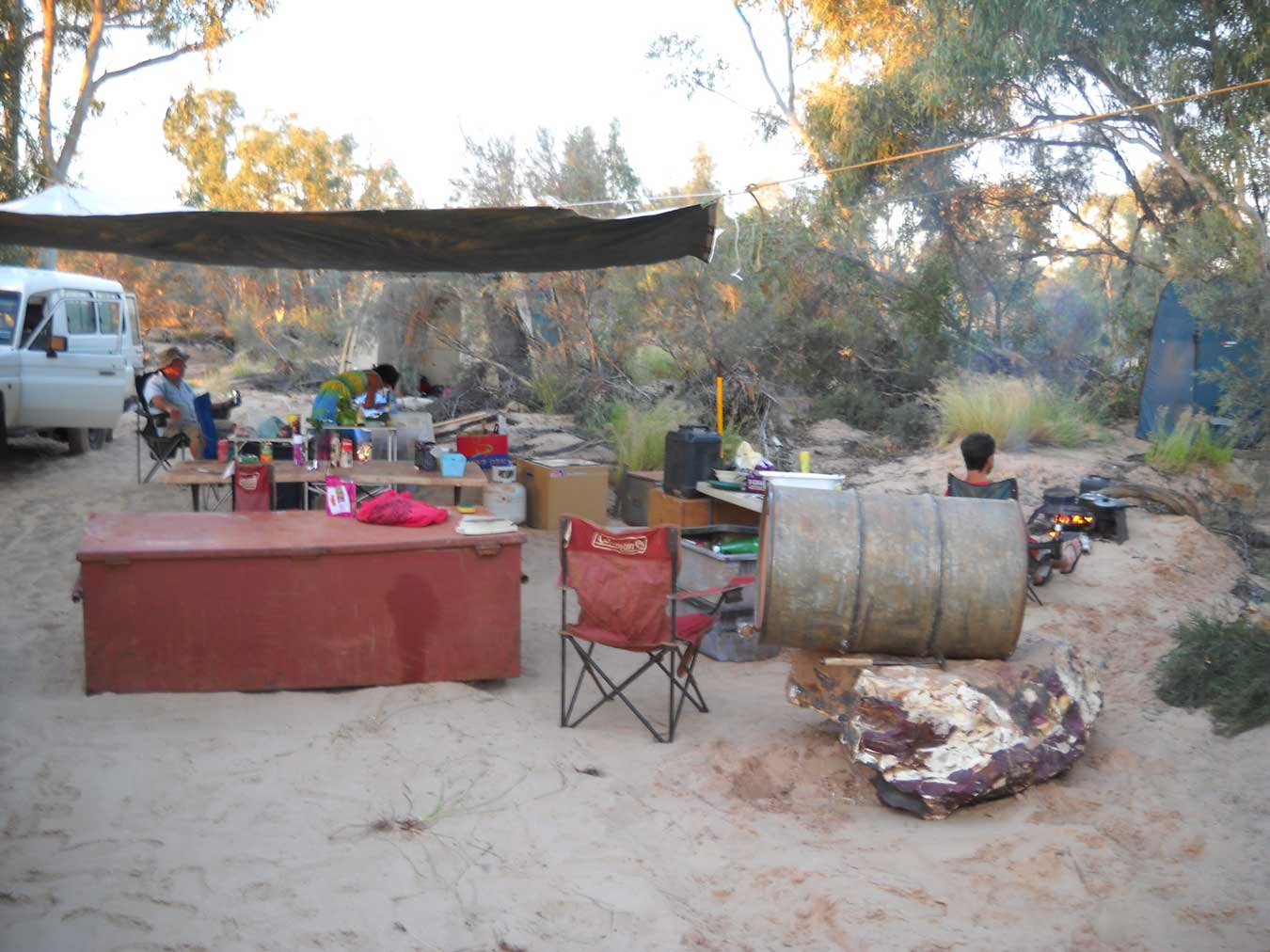
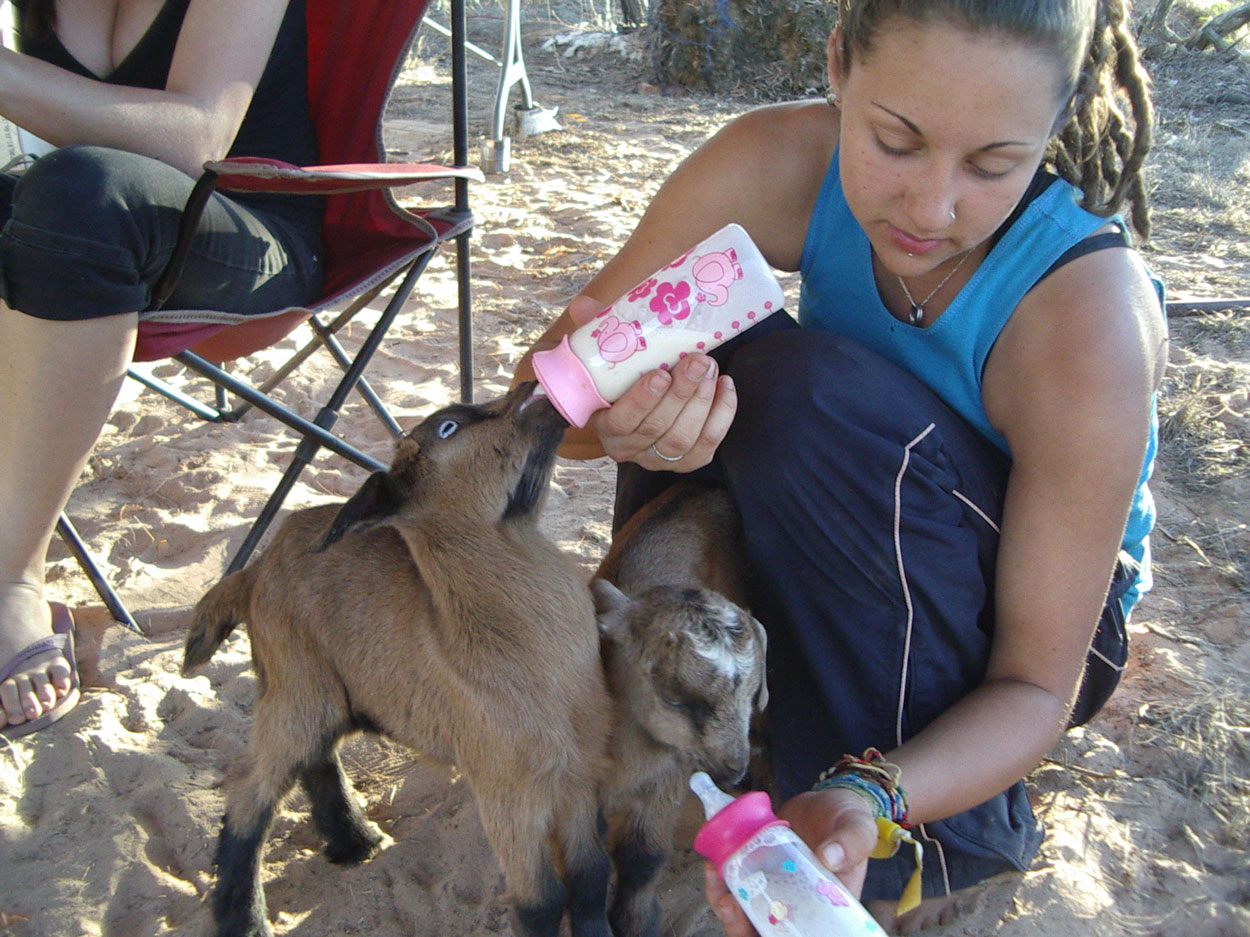
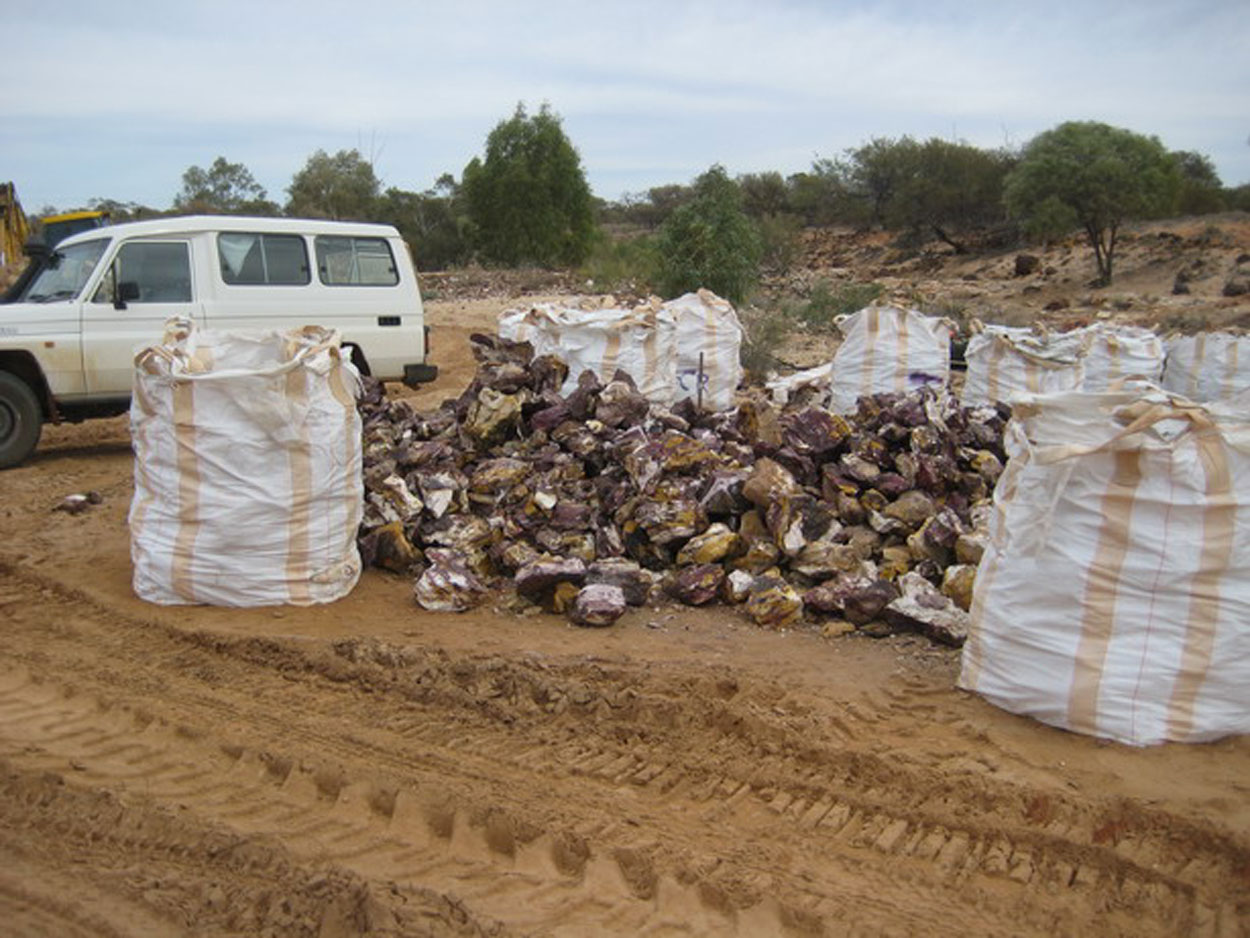
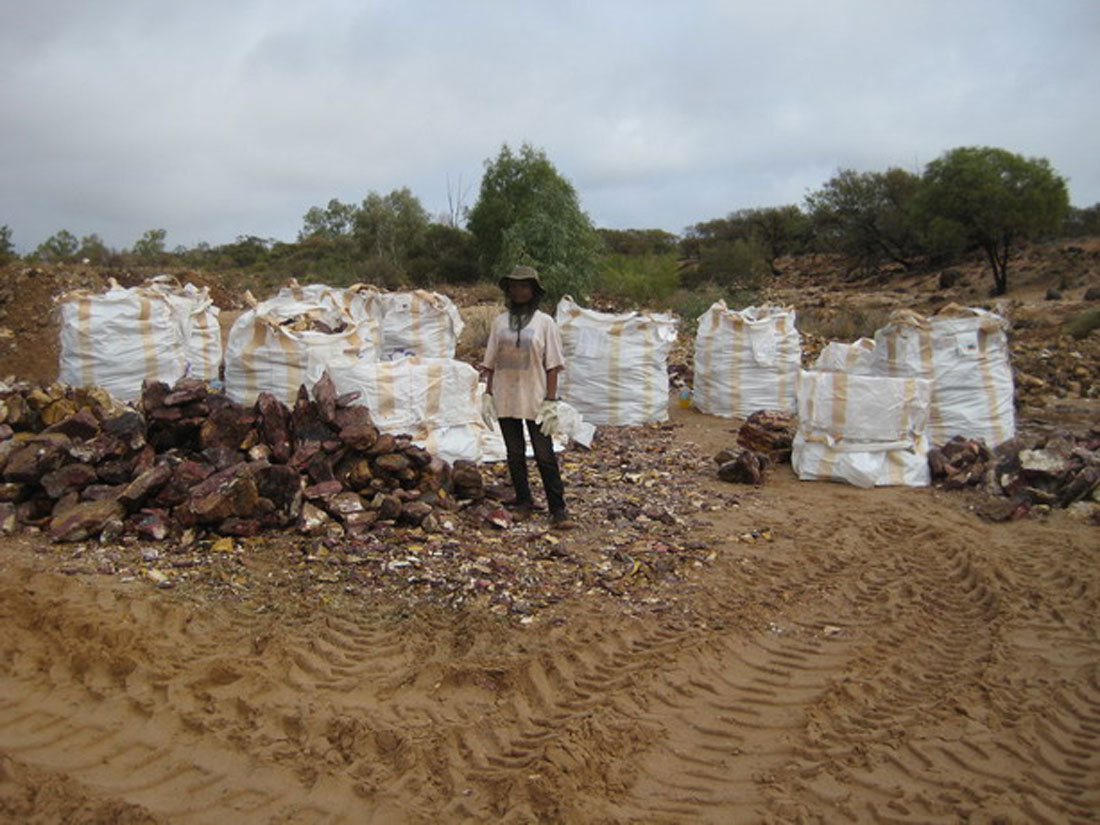
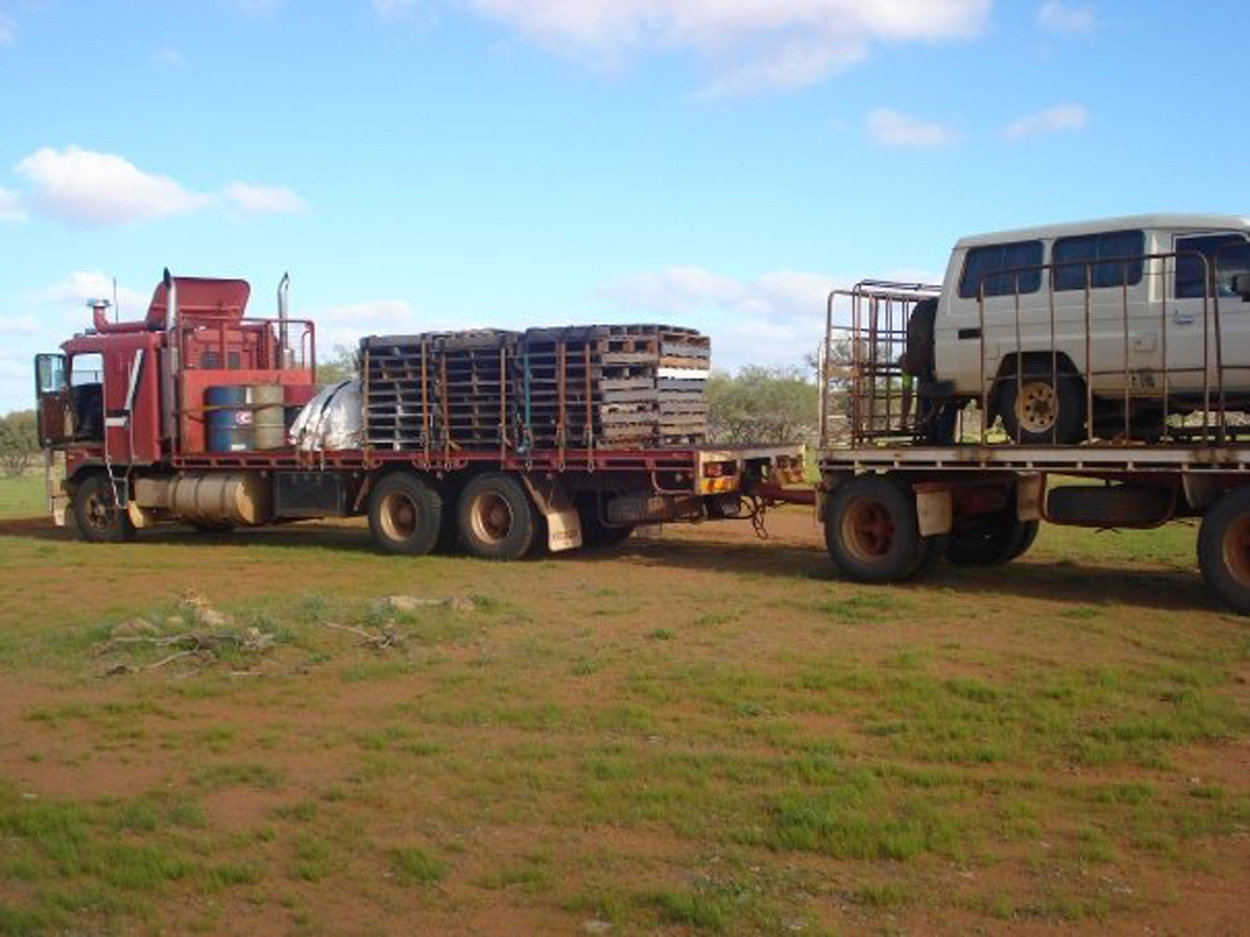
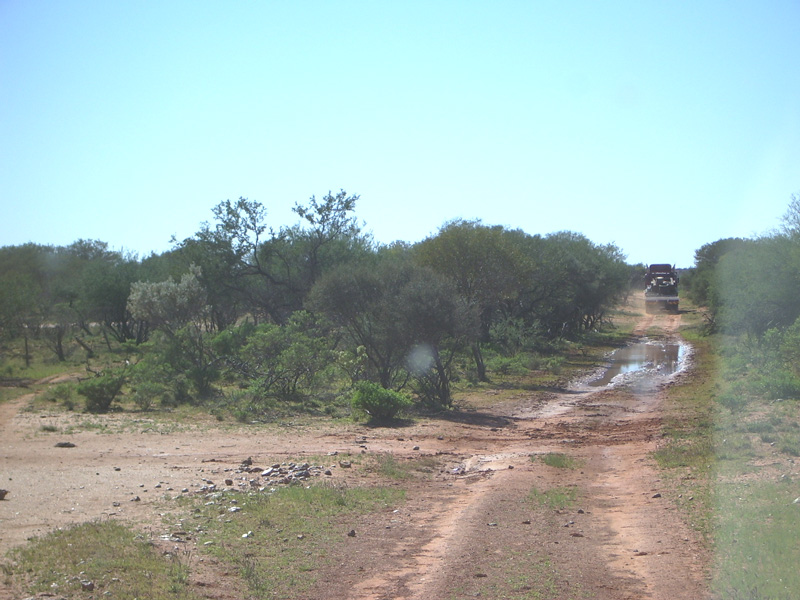
Some mining photos....click on pics to enlarge
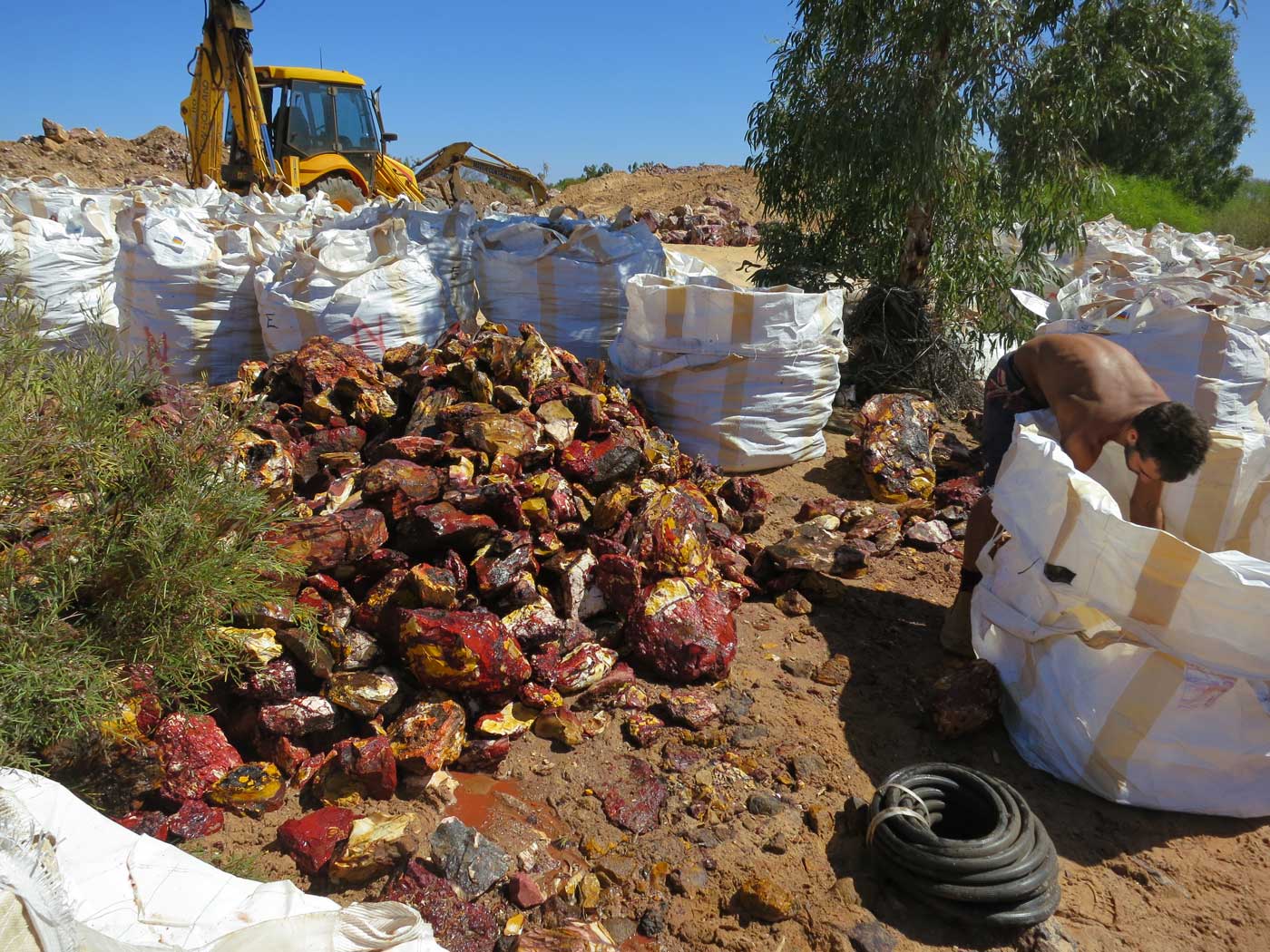





....
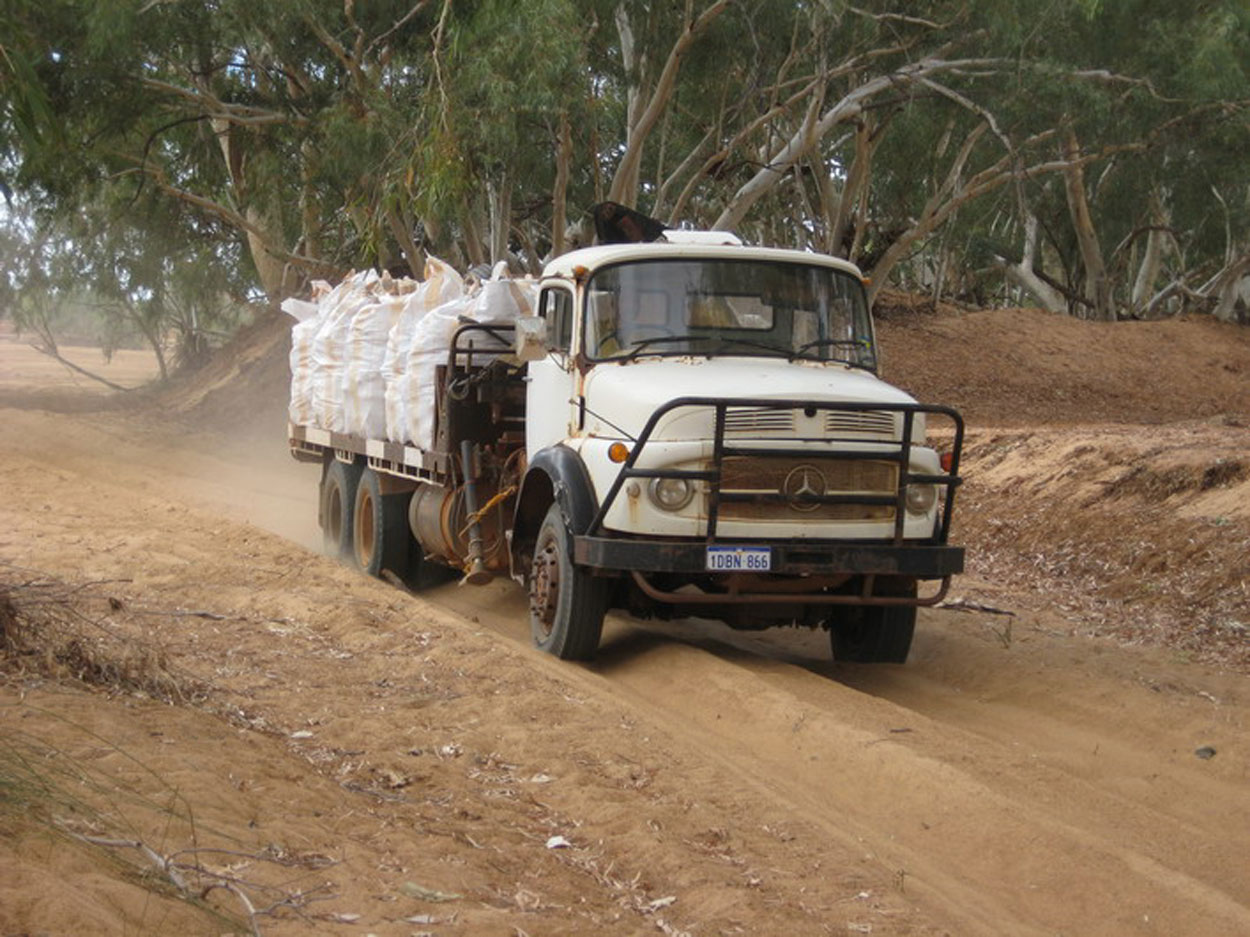


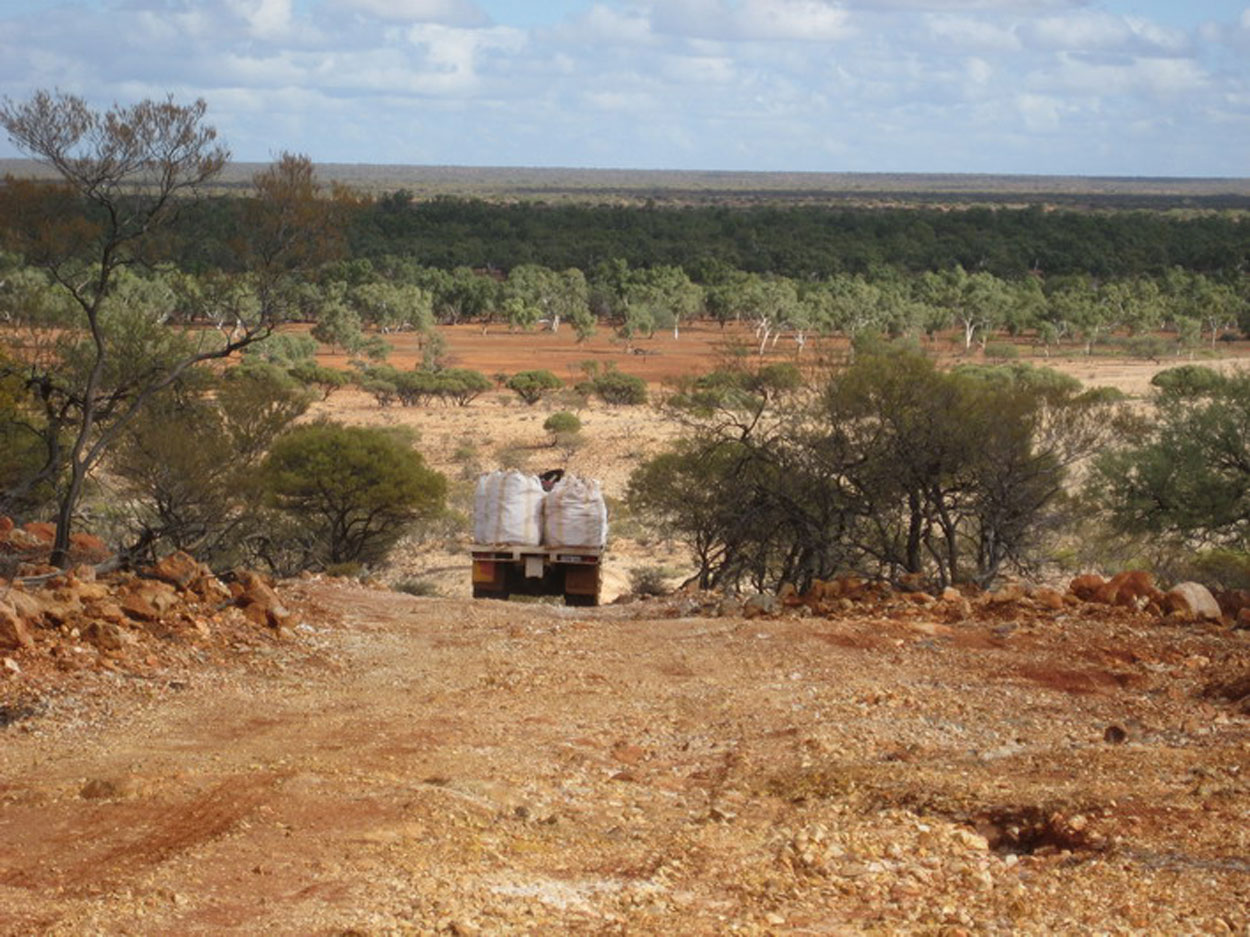
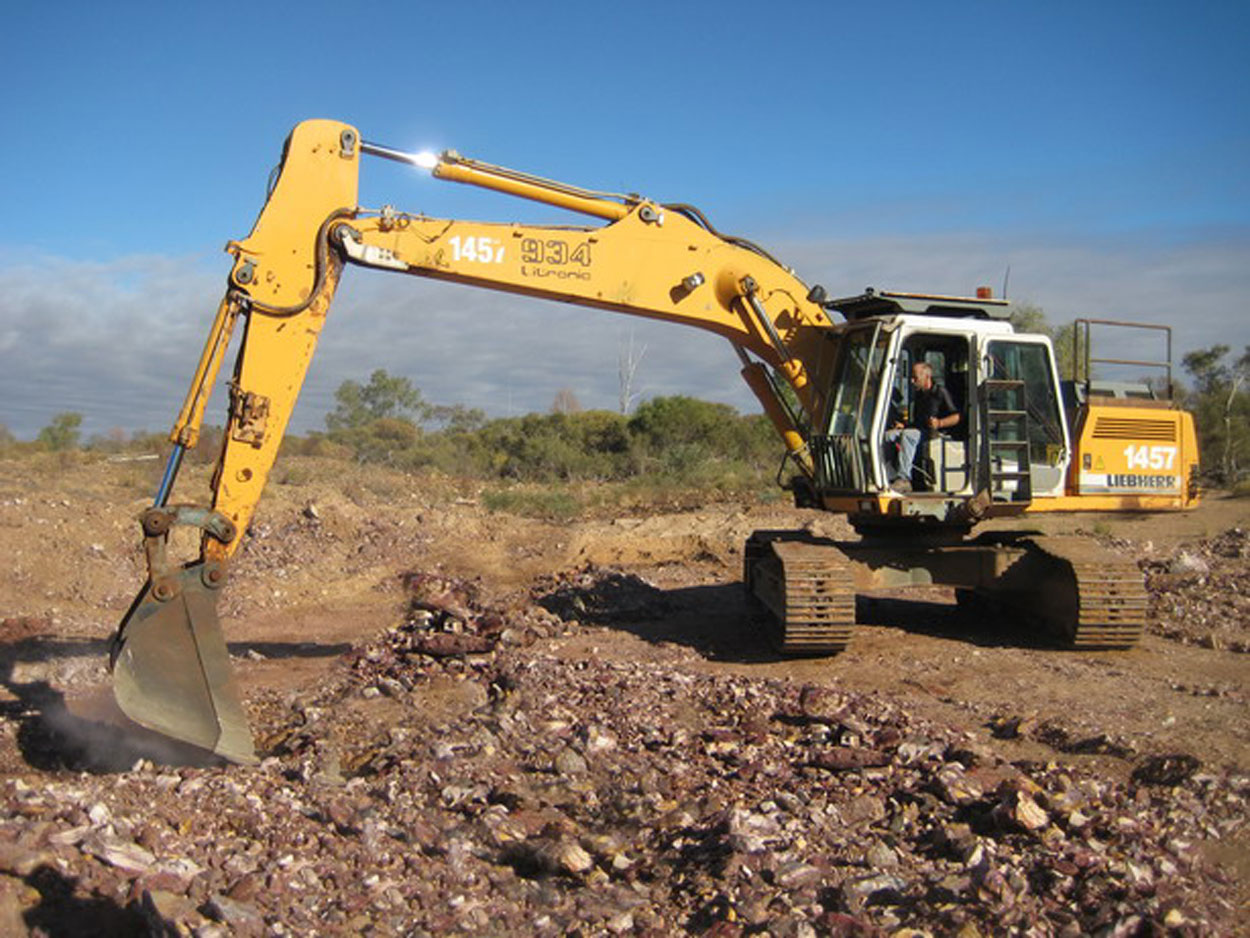
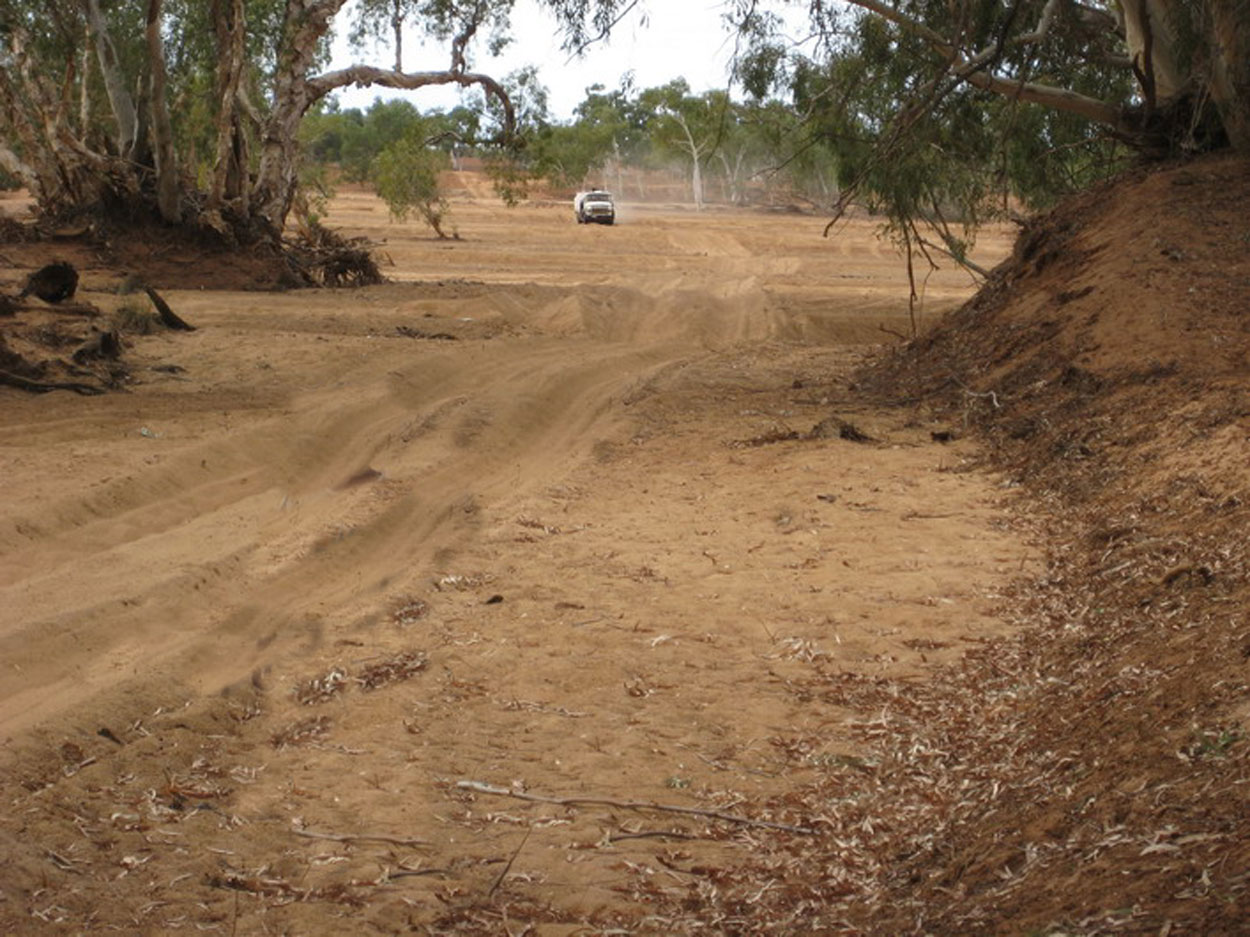

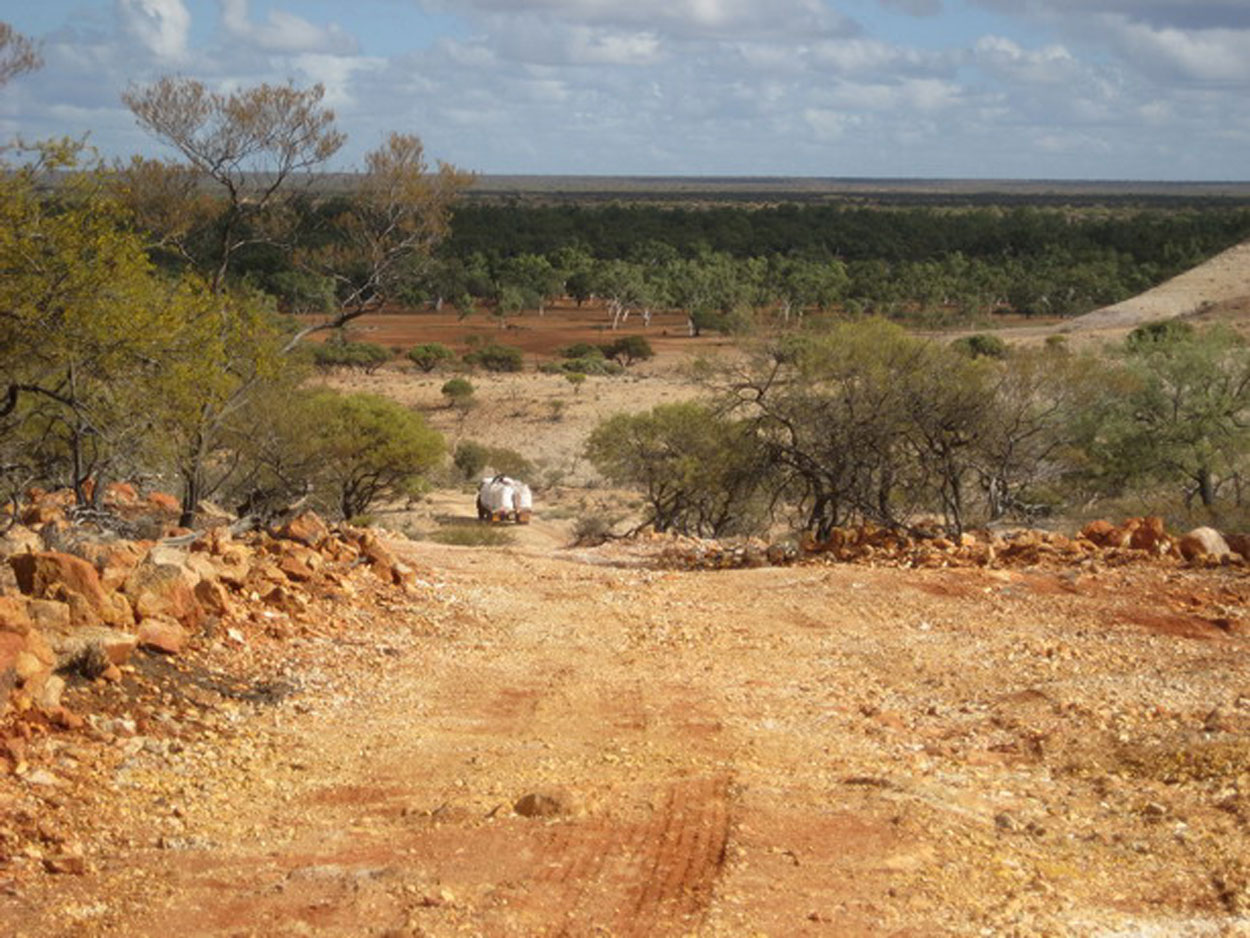




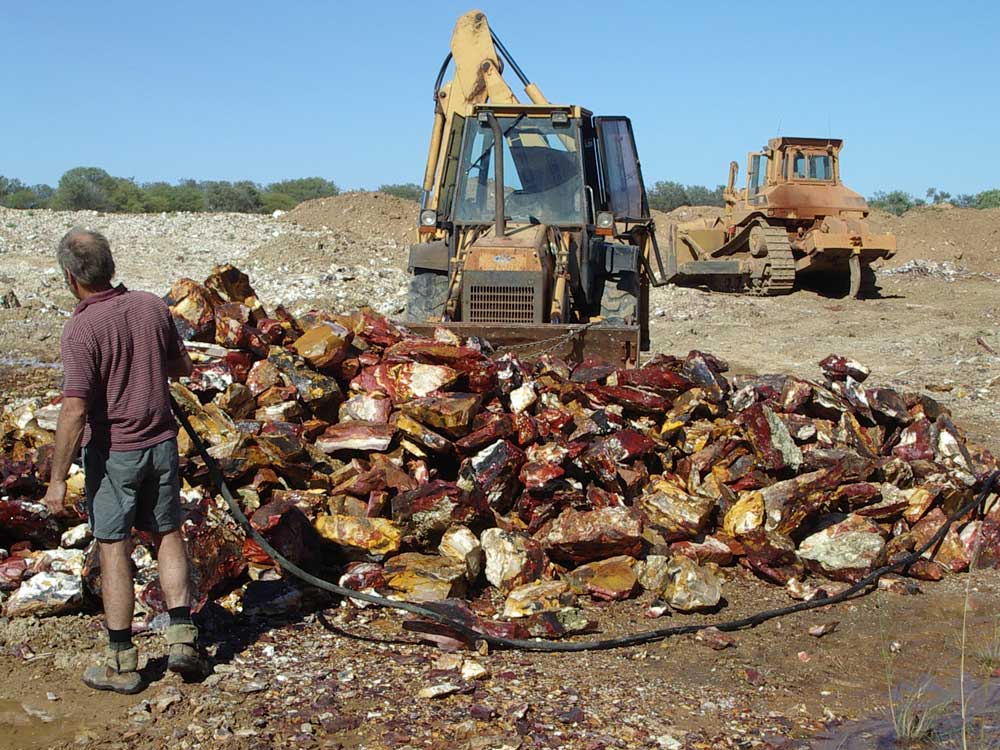

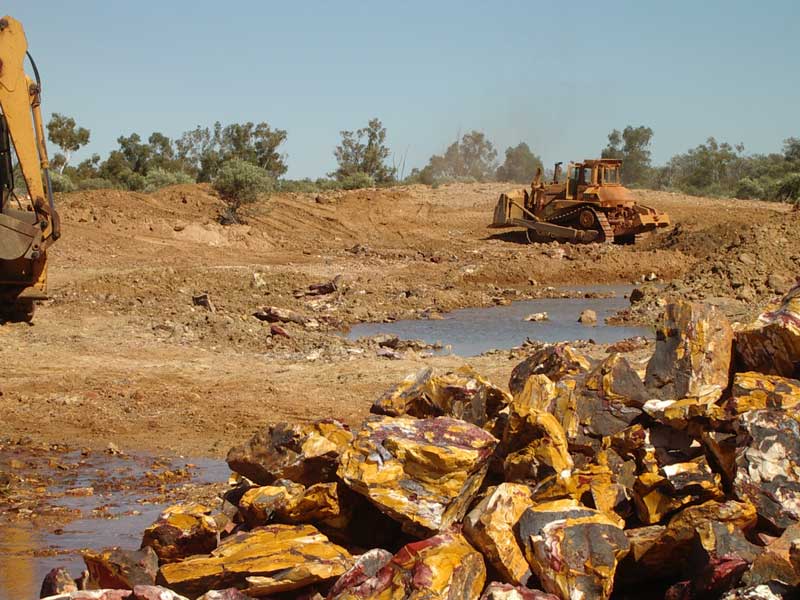


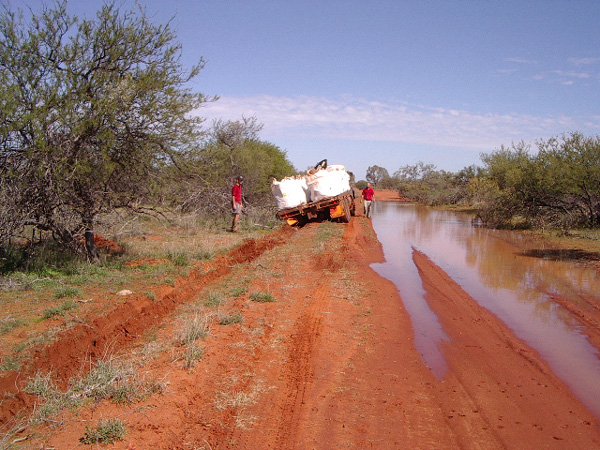
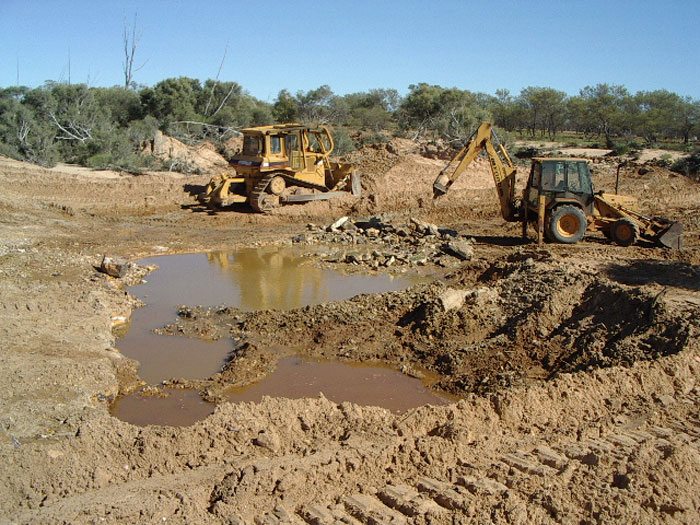
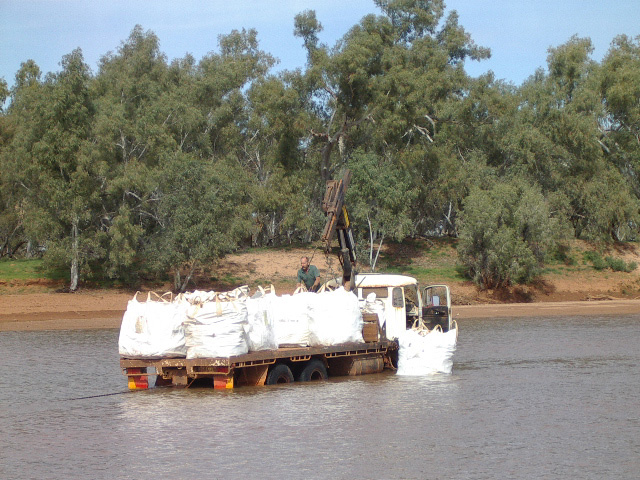
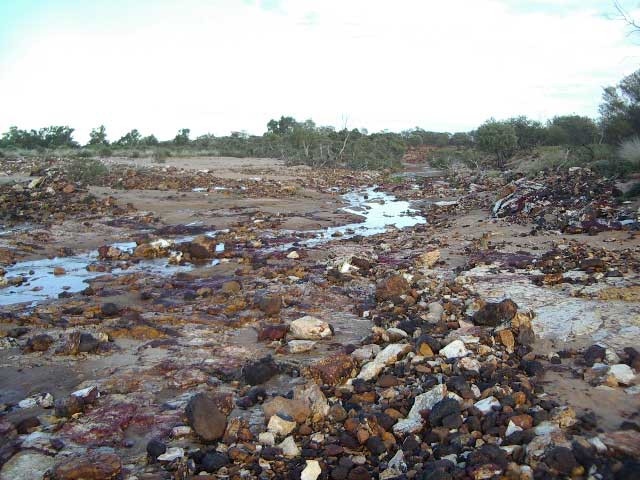

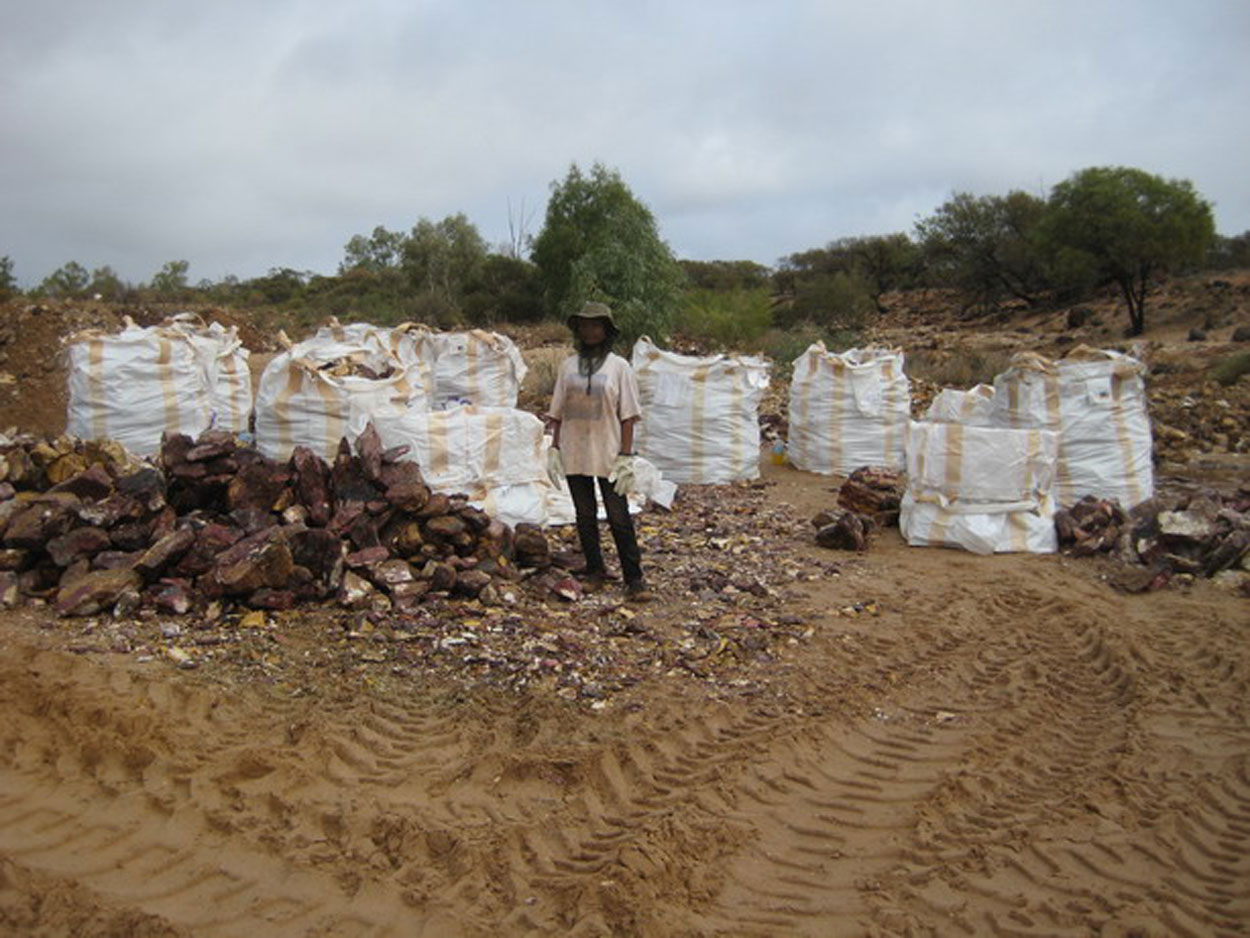
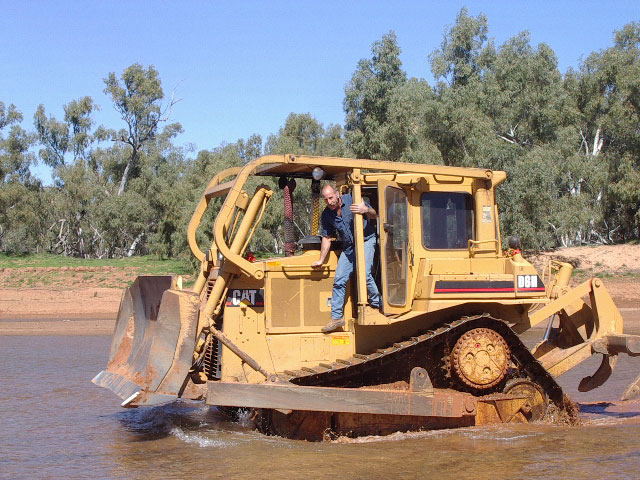
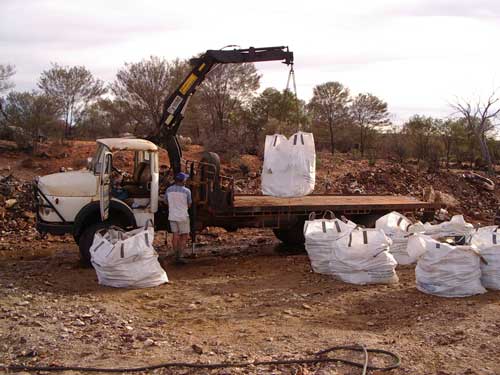
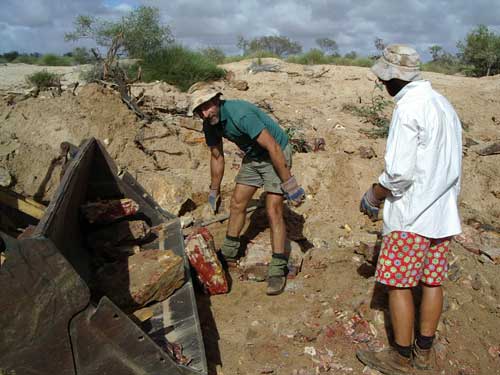


Mookaite is actually a fossiliferous sedimentary rock. The correct geological term for the formation that mookaite occurs in is: Windalia Radiolarite.
The Windalia Radiolarite consists of varicoloured, radiolarian siltstone, siltstone, and chert, commonly porcellanized in outcrop. Casts, in places phosphatized, and imprints of ammonites are locally present.Stratigraphic relationships with adjacent units, indicate that the Windalia Radiolarite formed on a marine shelf
It is reasonably common to find cavities left by decomposed belemnite casts or in some rare cases , impressions of ammonites.Microscopic examination of the radiolarite has shown that this rock consists principally of the remains of tiny organisms known as radiolaria, which possessed an unusual skeletal structure of opaline silica.
Countless numbers of these microscopic organisms were deposited as sediment in the shallow, near shore area of ancient seas. When the seas retreated, these sediments were cemented into solid rock by silica carried in groundwater, either from the radiolaria themselves or from weathered rocks nearby.